Become an independent* professional Bit & Bridle Fitter
PASSIONATE ABOUT IMPROVING THE
PERFORMANCE AND
WELL-BEING OF equines?
Whether merely curious, starting a new career or adding this service to your existing business the ISLS, Certified Bit & Bridle Fitting Course
is designed for people who have a strong desire to understand how to fit bits and bridles and are
passionate about improving the performance and well-being of horses in their care or those of their clients.
To prepare for study, students must undertake a foundation course in Bits and Bitting Science. This is provided through the online Certificate in Equine Bits and Bitting Science (CBBS) course. Students must achieve a grade of Merit or above before continuing.
Enrolments are of two types:
QBA – ISLS Accredited
Students may enrol to study to qualify simply as a Qualified Bit and Bridle Analyst and use the post-nominal, QBA. This qualifies the student to assess bits and bridles and to advise on their operation on the horse. Students have access to the full online course content but are only required to pass the online examination to receive their certificate and qualification.
QBF – ISLS Accredited
To qualify as an independent* Bit and Bridle Fitter, and use the post-nominal, QBF, students may enrol on the full course, may attempt the QBA examination (and can receive a QBA certificate if achieving a pass grade) and then continue on to complete and submit for assessment, in-the-field case studies.
* Independent means that the QBF will not be contractually bound to a preferred supplier

Bit Analysis
Delivered by a series of video lectures and assessments, this exam-assessed lecture course builds on topics introduced in the CBBS course. The bit analysis and bridle force analysis topics prepare students for becoming Bitting Analysts. Students passing this examination are permitted to use the post-nominal, “QBA”. Learning how to classify bits according to their design and action will lead to a method of bit analysis for all presented situations. In the anatomy topic, the inspection of the mouth and whole horse and the equine anatomy relevant to bit fitting will be emphasized and aspects of para-medical practice will be introduced.
bit and bridle fitting
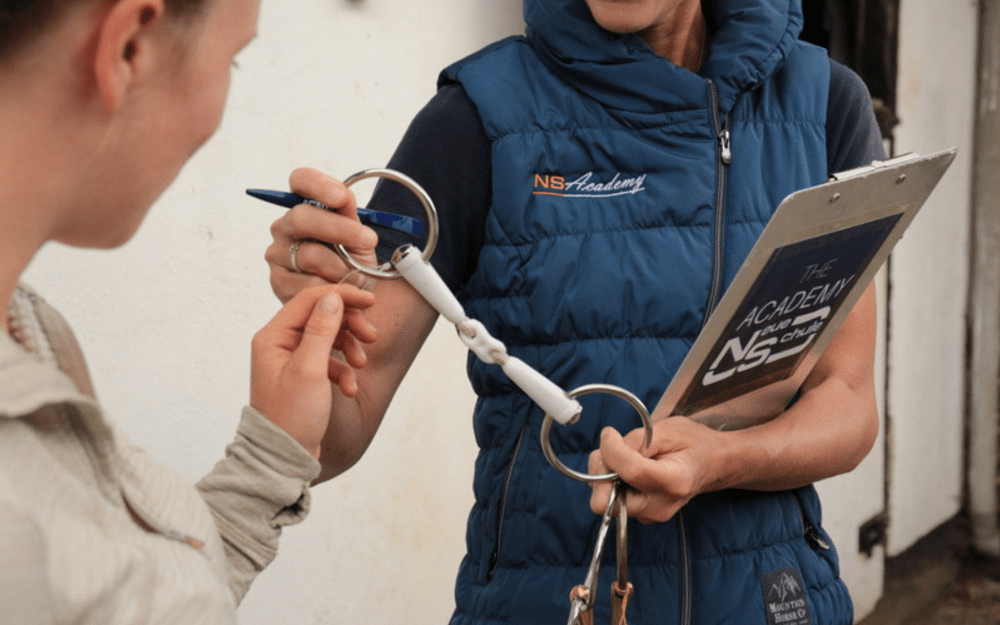
Delivered by a series of video lectures and assessments this module shows by practical demonstrations and tutorials, how bit and bridle fitting is conducted. An example of a bit fitting situation is shown using demonstration riders and horses. Fitting doubles is explicitly covered with clear instructions on potential issues. A video dedicated to the observation and interpretation of non-bit related influences on the ‘way of going’ supplements this material. The student will gain the tools and knowledge to take out into the field to complete their studies with supervised bit and bridle fitting case studies.
in-the-field case studies
Following the completion of the online course and the QBA examination*, the student embarks on an in-the-field apprenticeship. A series of four bit and bridle fitting appointments are undertaken, two of which are undertaken in the presence of an equine professional such as medical practitioner or accredited equine coach. An account of each appointment is recorded as a Case Study and assessed by ISLS teaching staff. These appointments can be carried out over a period of time to suit the student. Upon ratification of the appointment records, the student will be awarded the Lantra certificate and qualify as a Bit and Bridle Fitting practitioner. The practitioner may then be permitted to use the post-nominal, “QBF”
*Note that the QBA examination must be attempted to continue on to the case studies. It is not a requirement to pass this examination to become QBF qualified.
Whether you are a professional or just starting out, by the end of the course you will be able to improve a horse’s
comfort and way of going by assessing the whole horse, ask the right questions, know when to call in professional help (ie. a veterinarian, equine dentist, or physio) through referral services, correctly fit a bridle, analyse and fit a bit that suits horse and rider.
Heather Hyde-Saddington, Neue Schule Founder
assessments
There is a mixture of online examinable work, attendance at an online invigilated examination and submission of case studies
Course duration
The online Bit and Bridle Fitting module is completed within 8 weeks. Students are required to have access to a suitable PC or laptop and a printer for parts of the course but the course material will also be viewable on a mobile phone. For the final QBA invigilated examination a laptop or PC and a reliable internet connection is essential and students must ensure that this will be available to them at the advertised time of the examination. The final case studies can be submitted freely over a timescale to suit the student but must be within 12 months of completing the online module.
QBA/QBF Course PROGRESSION AND COSTS
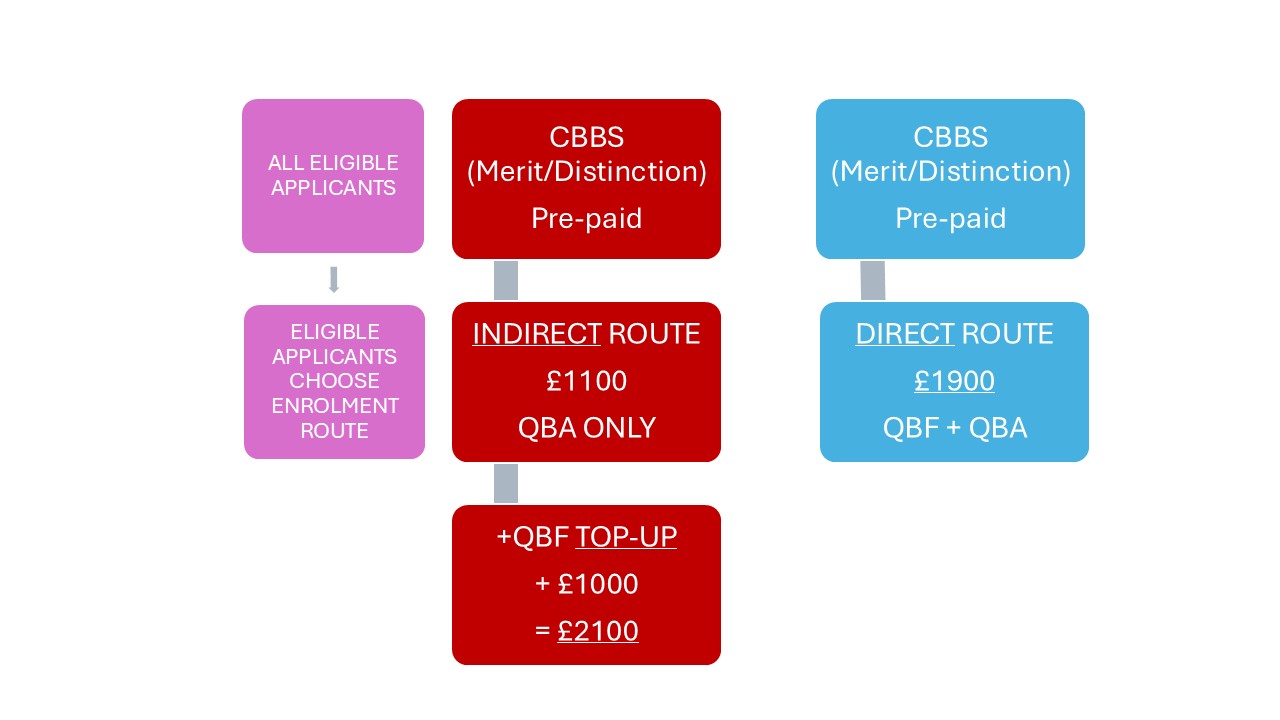
Applicants can choose to progress through their training programme in two ways:
INDIRECT: After achieving a qualifying grade in the Certificate in Bits and Bitting Science course, the student may enrol on the first stage Bit and Bridle Fitting programme with the opportunity to qualify for the ISLS-certified Bitting Analyst certificate. Whether or not they achieve the certificate, they remain eligible to proceed, at a future course date, for continuation onto the second stage ISLS-certified Bit and Bridle Fitter certificate. Students taking this route have an opportunity to reflect on whether to progress after enrolling on the first stage course. If the decision is to proceed, the student enrols onto the second stage at the next most convenient opportunity.
DIRECT: After achieving a qualifying grade in the Certificate in Bits and Bitting Science course, the student will enrol onto the Bit and Bridle Fitting programme with the opportunity to qualify for both the ISLS-certified Bitting Analyst certificate and the ISLS-certified Bit and Bridle Fitting certificate within the same instance of the course.
PROGRESSION OPTIONS

 NS Academy